

Disclaimer: This article is meant for informational purposes only and must not be considered a substitute for the advice provided by qualified medical professionals.
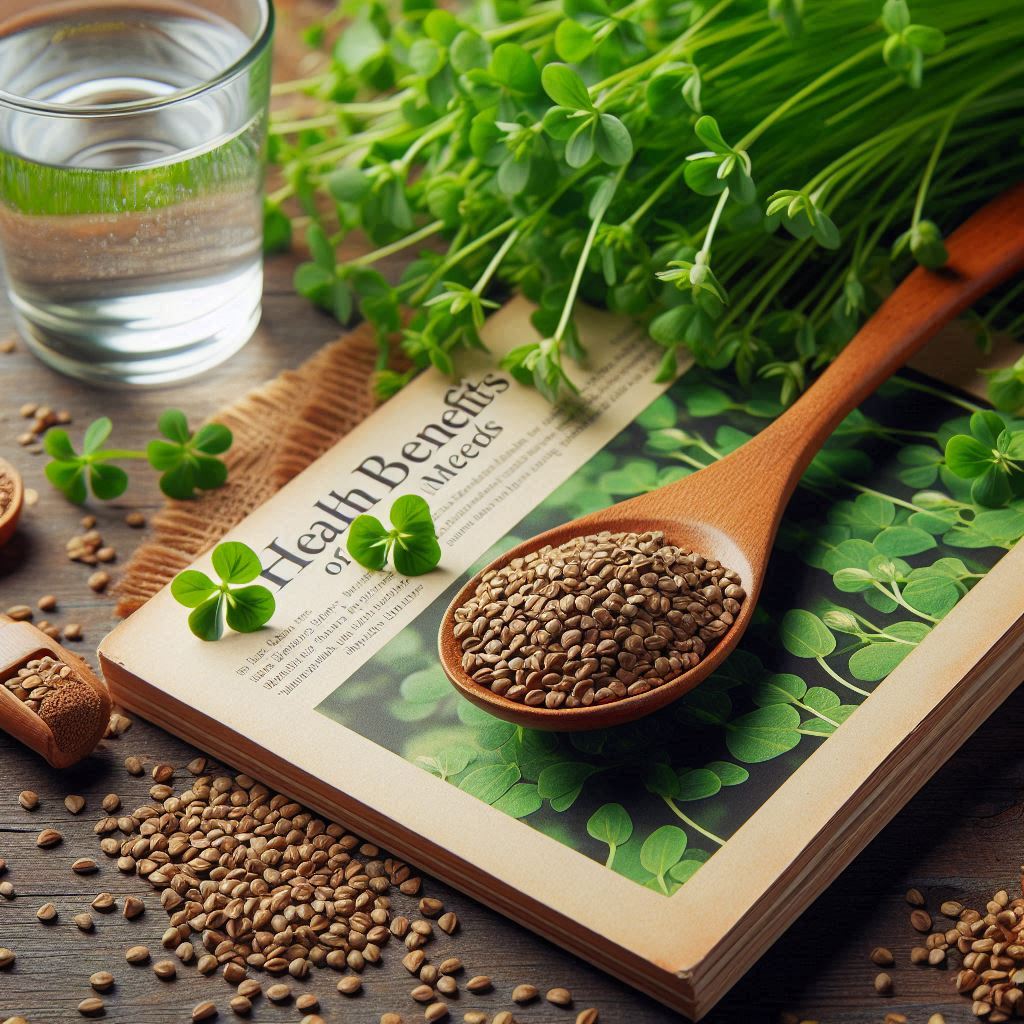
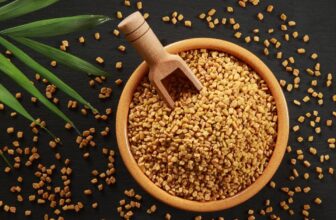
Methi or fenugreek is an annual plant which is a native of West Asia and South Eastern Europe. It is a plant that grows about 2 to 3 feet, and it is the pod of the plant that has fenugreek seeds, which are used as spices.
Today, India is the largest producer of methi in the world, and it is grown majorly in the state of Rajasthan. There are several nutritional values present in methi discussed in the next section.
Nutritional Values of Methi (Fenugreek)
Methi powder is a powerhouse of numerous health -promoting nutrients like dietary fibre, protein, vitamin B1,B2,B3 and C, zinc, iron, copper and polyunsaturated fats. It also contains bioactive constituents like saponins, volatile oils, mucilage, and alkaloids like choline and trigonelline. Several types of research document that people consuming raw methi seeds or powder have low cholesterol and healthier hearts.
| Energy | 323 kcal |
| Carbohydrates | 58 g |
| Fat | 6.4 g |
| Dietary Fibre | 25 g |
| Protein | 23 g |
| Vitamins | Quantity |
| Vitamin B1 | 0.322 mg |
| Vitamin B2 | 0.366 mg |
| Vitamin B3 | 1.64 mg |
| Vitamin B6 | 0.6 mg |
| Vitamin C | 3 mg |
| Minerals | Quantity |
| Iron | 34 mg |
| Calcium | 176 mg |
| Magnesium | 191 mg |
| Phosphorus | 296 mg |
| Manganese | 1.23 mg |
| Sodium | 67 mg |
| Potassium | 770 mg |
| Zinc | 2.5 mg |
Health Benefits
- Reduces risk of heart disease
- Controls blood sugar levels- Manages diabetes
- Aids Digestion
- Helps counter acid reflux or heartburn
- Helps you lose weight
- Remedy for fever and soar throat
- Helps prevent colon cancer
- Helps soothe skin inflammation and reduces scars
- Helps treat skin problems
- Helps resolve hair problems
- Improves the production of male hormones like testosterone and luteinising hormone
- Helps reduce menstrual discomfort
- Induces and eases childbirth
- Increases breast milk production in lactating women.
Fenugreek (Methi) Use Cases
- Herbal Teas
- Garam Masala’s
- Condiments
- Maple Syrup products
- Soaps and Shampoos
- Cosmetics
- Candies and Ice creams
- Dried leaves (kasuri-methi)
- Fresh green methi leaves as a vegetable
- Methi oil to cook your regular vegetables and prepare meals with it.
- Add dried leaves to your bread or chapatis.
- Sprouted methi seeds
Conclusion
Fenugreek seeds, powder and various form obtained from a herb, offer a variety of health benefits.These seeds are commercially available all year round and are affordable. Thus integrating fenugreek seeds into your diet will prove to have many positive impacts on your life.